As we wrap up another busy year at Thompson & Johnson, it’s the perfect time to look back at the topics that sparked the most interest, conversation, and clicks in 2025. From safety must-knows to maintenance tips that kept operations running smoothly, our team covered a lot of ground in 2025 — and you showed us exactly which posts mattered most.
Before we dive into a brand-new year of helpful insights and industry know-how, here’s a countdown of the Top 10 T&J Blogs of 2025: the articles you read, shared, and returned to again and again. Let’s take a look at your favorites!
 OSHA requires all new forklifts, both internal combustion (IC) and electric, be inspected by an independent testing laboratory for their ability to avoid causing a fire in the workplace. Toyota Material Handling and several other forklift manufacturers use Underwriters Laboratories (UL) for all testing. Others use Factory Mutual (FM). There are 2-4 levels of OSHA ratings for forklifts dependent on the fuel used. The forklift UL rating will be stamped on the data (capacity) tag under the heading of “Truck Type.”
9. Forklift Floor and Operating Surfaces
 Forklifts are called “heavy equipment” for good reason. An unloaded standard forklift at 5,000 lbs. of rated lift capacity weighs 9,000 lbs. With a load, the forklift weight can increase to 14,000 lbs. It’s not uncommon to see blacktop damaged by repeated forklift traffic. When carrying a maximum capacity load, a standard forklift using a set of solid rubber tires may exert as much as 350 lbs. per square inch on the front axle tires. Concrete flooring has a general load limit of 500 lbs. per square inch. (*) These numbers prove there isn’t much room for surplus capacity.
8. Fatal Forklift Accident at Georgia EV Battery Plant Prompts OSHA Investigation
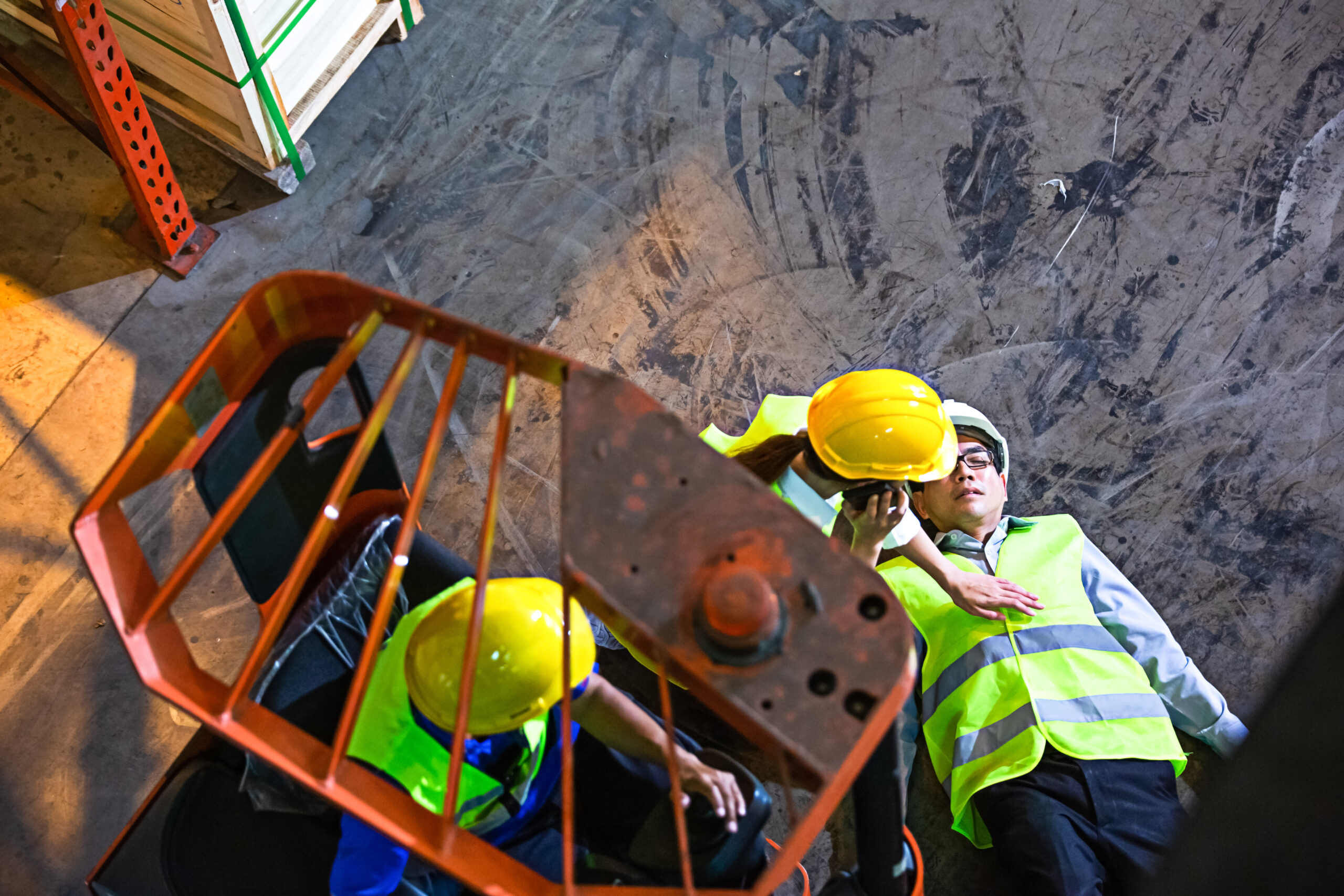 This past May, a tragic construction site accident claimed the life of a worker at the HL-GA Battery Co. plant in Bryan County, Georgia. According to reports from the Bryan County Sheriff’s Office, a load fell off a forklift, fatally striking the man. This fatal forklift accident, which occurred at the future site of an electric vehicle (EV) battery manufacturing plant, has prompted an investigation by the Occupational Safety and Health Administration (OSHA). It also marks the second fatal forklift accident at the same facility in just two months.
7. Replace vs. Repair: How to Know When It’s Time for a New Forklift
 Your forklift is the heartbeat of your operation. When it’s running smoothly, your workflow moves efficiently, orders get out on time, and your team stays productive. But when it starts breaking down repeatedly, slowing productivity, or draining your repair budget, the big question inevitably pops up: Should you repair your forklift…or is it time to replace it? It’s a question many businesses struggle with, and the answer depends on several key factors. Here’s a breakdown to help you make the smartest, most cost-effective decision for your fleet.
6. Electric Pallet Jack vs. Manual Pallet Jack: Which One Fits Your Operation?
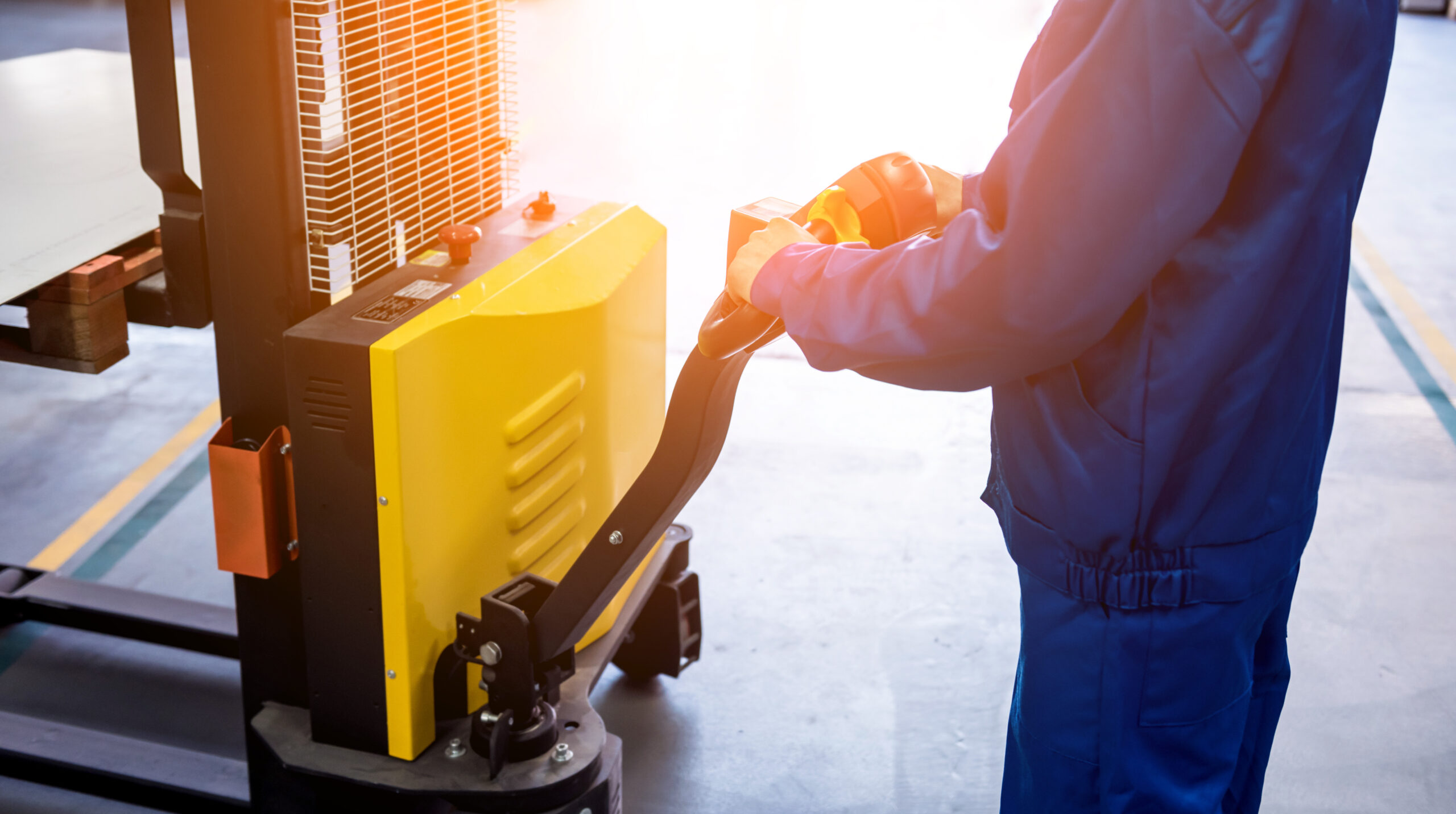 When moving pallets, the question isn’t whether you need a pallet jack—it’s which kind. Both manual and electric walkies are workhorses in warehouses, distribution centers, and manufacturing plants. But they shine in different scenarios. Here’s a clear, practical breakdown to help you pick the right tool for the job. Neither tool is “better” in every situation. Manual pallet jacks excel in short, light, occasional moves with minimal cost. Electric pallet jacks deliver speed, safety, and consistency when throughput matters. Match the tool to your distances, frequency, floor conditions, and ergonomic goals—and don’t forget to consider battery strategy if you go electric.
5. Safety Seat Switches on IC Forklifts
 ANSI, the American National Standard Institute, under the B56 standards, mandates that the operator of a powered industrial truck, or forklift, must be seated in the normal operating position on the forklift before it can travel. This is to prevent operators from standing off to the side of their forklift to operate it, thus causing potential injury to themselves or their co-workers. While electric forklifts have been using safety seat switches for some time now, ANSI is now requiring safety seat switches on all new counterbalanced internal combustion forklifts, i.e., propane, natural gas, gasoline or diesel.
4. Daily Forklift Safety Checklists
 OSHA requires that each “Powered Industrial Truck” is checked out before it is put into operation. Most companies use a “Daily Checklist” to inspect their equipment. A typical operator checklist includes a visual walk around the machine. While the list is commonly referred to as a “Daily Checklist,” each operator should make sure they check out the machine before each shift for their own peace of mind and the safety of their co-workers. This is to check for everything from leaks, to tire condition, to the condition of the safety equipment (load backrest, overhead guard, etc.).
3. Forklift Face-Off: Electric or Internal Combustion – What’s Right for You?
 When it comes to material handling, choosing the right forklift can have a big impact on your operation’s efficiency, costs, and even its environmental footprint. One of the most common decisions businesses face is whether to invest in an electric forklift or an internal combustion (IC) forklift. Let’s break down the key differences to help you decide which is the best fit for your warehouse or industrial operation.
2. Forklifts and Foot Traffic: Why Pedestrian Safety Training is Critical in Warehouses
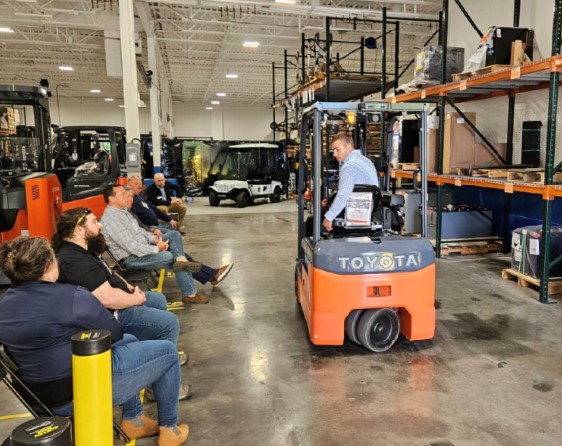 As an employer, you have a legal obligation to keep all of your employees safe in your workplace. OSHA’s General Duty Clause requires employers to provide a workplace free from recognized hazards that could cause death or serious physical harm to employees. This means as an employer you are required to conduct any required training mandated by OSHA, such as forklift training, as one example. That training requires a classroom, such as watching a video, then the trainees have to drive the different styles of forklifts in your work area.
1. Forklift Tires Guide: Types, Applications, and When to Replace Them
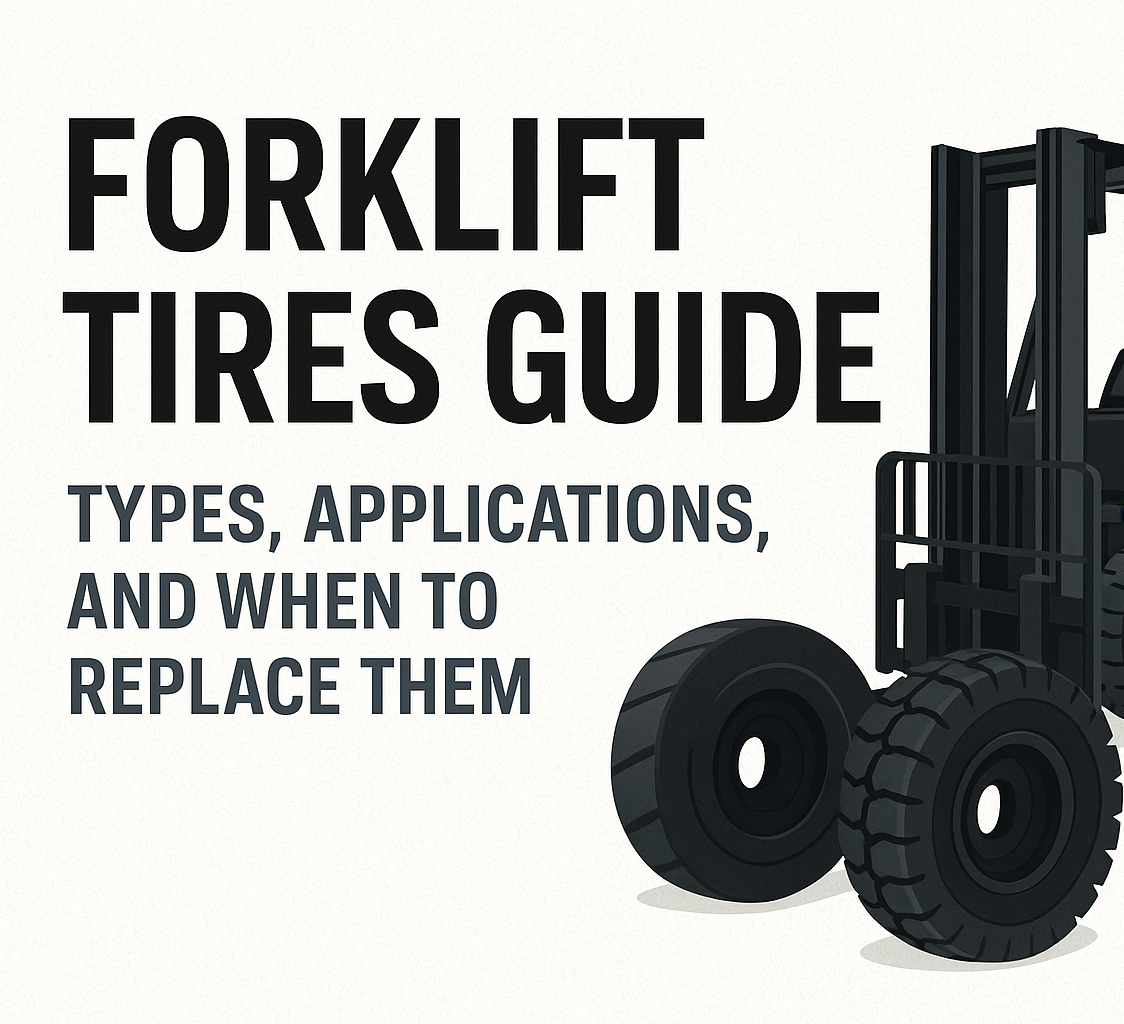 Choosing the right forklift tires is critical for safety, performance, and reducing operating costs. Tires affect everything from traction and load capacity to operator comfort and energy consumption. Whether your forklifts operate in a warehouse or on rugged outdoor terrain, knowing which tire to use – and when it’s time for forklift tire replacement – can keep your operation running smoothly. This guide explains the different types of forklift tires, when to use them, how to tell when they’re worn, and how often to replace forklift tires.
WE’RE HERE TO HELP
At Thompson & Johnson, we’re your full-service material handling partner. Whether you’re looking to buy forklifts or other equipment, purchase industrial batteries and chargers, find parts for all makes and models, enroll in a planned maintenance program, rent or lease from our wide selection of material handling equipment, or provide comprehensive forklift training for your operators, we’ve got you covered. Contact us today at (800) 589-5558 or via our Contact Us Form to get expert guidance tailored to your operation.
Forklift Parts & Service – including tire replacement and maintenance
New & Used Forklifts – choose the right equipment for your operation
Forklift Rentals – flexible options when you need equipment fast
Operator Training Programs – extend tire life and improve safety with certified training